
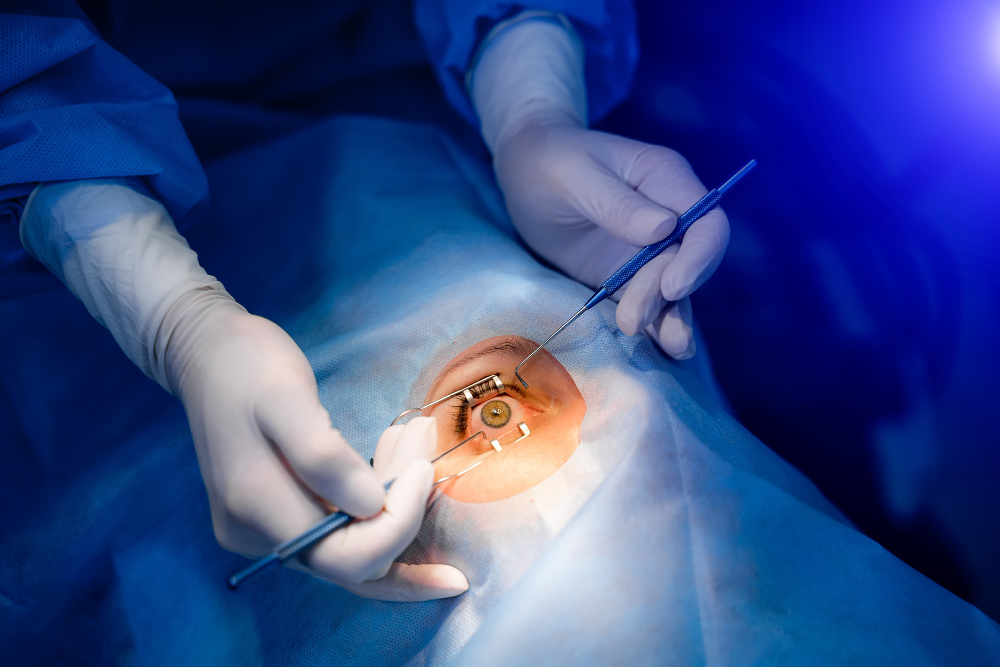
What Is Small Incision Cataract Surgery (SICS)?
Small Incision Cataract Surgery (SICS) is a modern way to remove cataracts. Cataracts cause the lens of your eye to become cloudy. As a result, vision becomes blurry or faded. SICS uses a small cut to remove the cloudy lens. Then, a clear artificial lens is placed in your eye. Because the cut is small, healing is often faster. SICS is popular in many countries, including India and other parts of Asia. According to the World Health Organization, cataracts are the leading cause of blindness worldwide. SICS helps restore clear vision for many people.
Who Needs SICS Surgery?
Not everyone with vision problems needs SICS surgery. However, you may need it if you have:
Doctors often suggest SICS surgery when cataracts make it hard to read, drive, or do daily tasks. In some cases, people with other eye conditions may also need SICS. For example, if you have limited access to advanced laser surgery, SICS is a safe and effective choice. Eye doctors will check your eyes and discuss the best treatment for you.
How Is SICS Surgery Performed?
During SICS surgery, doctors use special tools and gentle steps. First, you get local anesthesia to numb your eye. Next, a small cut is made on the side of your cornea (the clear front part of your eye). Then, the surgeon removes the cloudy lens through this small opening. After that, a new artificial lens is placed inside your eye. Because the cut is small, stitches are usually not needed. The whole process often takes less than 30 minutes. Most people go home the same day. SICS surgery is safe and widely used for cataract treatment.
Benefits of SICS Surgery
Many people choose SICS surgery because it offers several advantages. For instance, the small cut helps the eye heal faster. Additionally, SICS is affordable and does not need advanced machines. Here are some key benefits:
Moreover, SICS surgery works well for dense or hard cataracts. In many regions, such as India, SICS is the main choice for cataract treatment. According to peer-reviewed studies, SICS offers results similar to more expensive laser surgeries.
Risks and Possible Complications
Like any surgery, SICS has some risks. However, most people recover without problems. Possible risks include:
Doctors take steps to lower these risks. For example, they use clean tools and give you eye drops to prevent infection. If you notice pain, loss of vision, or severe redness, contact your doctor right away. Most side effects are mild and go away with proper care.
Recovery and Aftercare Tips
After SICS surgery, your eye needs time to heal. Usually, vision improves within a few days. To help your recovery, follow these tips:
Sometimes, your doctor may suggest wearing an eye shield while sleeping. This helps prevent injury. With good care, most people return to normal activities quickly. However, always follow your doctor’s advice for the best results.
Prevention and Eye Health Guidance
While cataracts can happen with age, you can take steps to protect your eyes. For example, wearing sunglasses blocks harmful UV rays. Eating a healthy diet rich in fruits and vegetables supports eye health. Additionally, regular eye exams help catch problems early. If you have diabetes or high blood pressure, managing these conditions lowers your risk. Avoid smoking, as it increases the chance of cataracts. In many countries, public health programs offer free or low-cost eye checkups. By caring for your eyes, you can help prevent vision loss and reduce the need for surgery.
Conclusion
If you have questions about cataract surgery or want to know if SICS is right for you, book a consultation at Sree Krishna Healthcare. Our team is here to guide you every step of the way.