
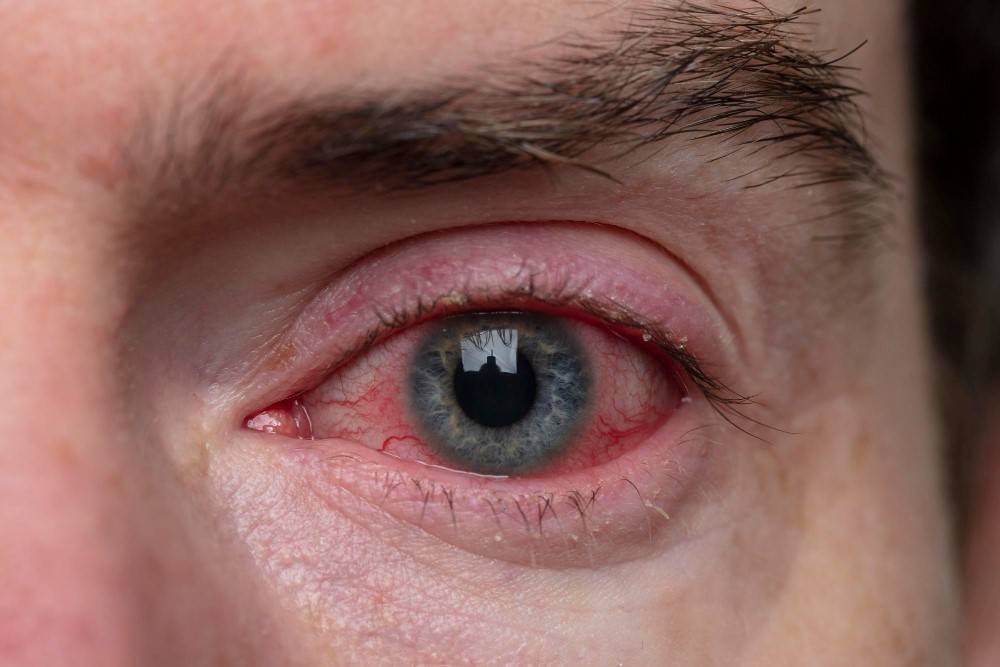
Introduction to Monsoon Eye Diseases
During the rainy season, monsoon eye diseases become more common. The warm and humid weather helps germs grow. As a result, many people face eye problems during this time. Monsoon eye infections can affect anyone, but children and older adults are at higher risk. Therefore, knowing the signs and ways to prevent these diseases is important. With proper care, you can keep your eyes healthy even in the rainy season.
Common Symptoms
Monsoon eye diseases often show clear signs. If you notice any of these symptoms, you should pay attention. Early care can help prevent serious problems. Look out for:
Sometimes, you may also feel like something is stuck in your eye. If symptoms last more than a day, it is best to seek help.
Main Causes
Many factors cause monsoon eye diseases. The rainy season brings more dust, dirt, and germs. Because of this, eye infections spread easily. Here are some main causes:
In addition, poor hygiene can make things worse. So, keeping your hands and face clean is very important.
Diagnosis Methods
Doctors use simple tests to find out the cause of monsoon eye diseases. First, they will ask about your symptoms. Next, they may check your eyes with a light. Sometimes, they take a small sample of eye discharge. This helps them find out if bacteria or viruses are present. Quick diagnosis means faster treatment and less risk of spreading infection.
Effective Treatments
Treatment for monsoon eye infections depends on the cause. For bacterial infections, doctors often prescribe antibiotic eye drops. If a virus causes the problem, you may need antiviral drops or ointments. Sometimes, doctors suggest using artificial tears to soothe the eyes. In addition, they may advise you to avoid touching or rubbing your eyes. Always follow your doctor’s advice and finish the full course of medicine.
Prevention Tips
Preventing eye diseases in monsoon is possible with simple steps. Here are some tips to keep your eyes safe:
By following these steps, you can reduce your risk of monsoon eye infections.
Lifestyle Guidance During Monsoon
During the rainy season, small changes in your routine can help. For example, eat foods rich in vitamin A, like carrots and spinach. These foods support eye health. Also, drink plenty of clean water to stay hydrated. If you wear contact lenses, always clean them before use. Moreover, avoid crowded places if there is an outbreak of eye infections. Good habits can keep your eyes healthy all season.
When to See an Eye Specialist
Monsoon eye problems can worsen if left untreated, so timely care is important. If you experience severe pain, vision changes, swelling, or symptoms that do not improve, consult Dr. Shilajit Kar at Sree Krishna Healthcare for expert eye care and personalized guidance on monsoon eye diseases.