
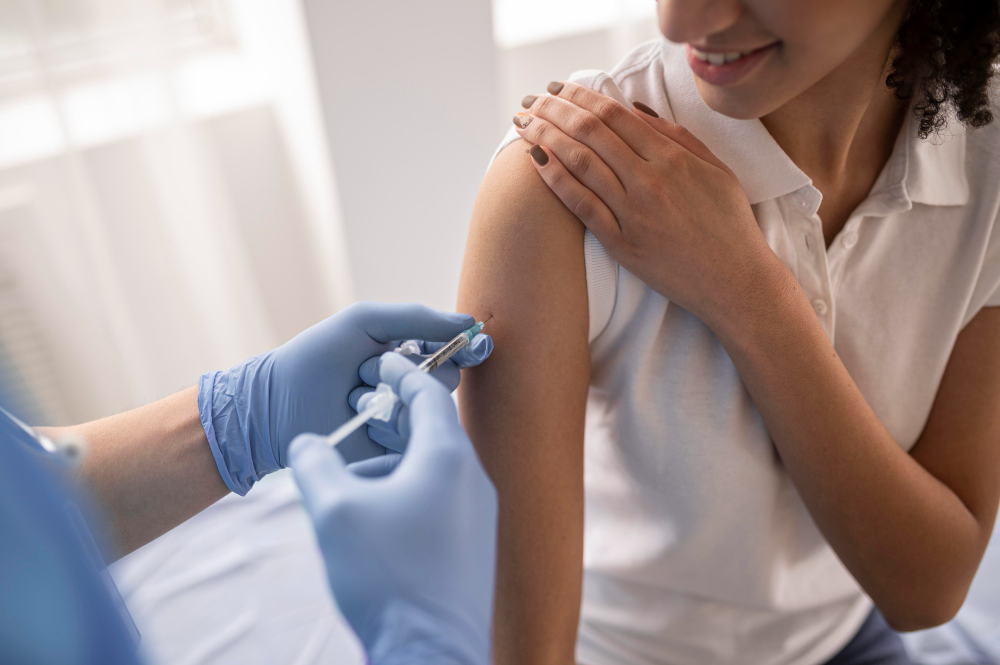
What is HPV?
Human papillomavirus, or HPV, is a common virus. It spreads through close skin contact, often during sexual activity. In fact, most people will get HPV at some point in their lives. Usually, HPV goes away on its own. However, sometimes it can cause health problems. For example, it may lead to cervical cancer, other cancers, or genital warts. Because HPV is so common, understanding it is important for everyone.
Why is HPV Vaccination Important?
HPV vaccination is a key step in protecting your health. It helps prevent infections that can lead to cancer. For instance, the vaccine can stop most cases of cervical cancer. It also helps prevent other cancers caused by HPV, such as throat or anal cancer. Since HPV spreads easily, getting vaccinated protects both you and others. According to the CDC and WHO, HPV vaccination is safe and effective. Therefore, it is an important part of cancer prevention.
Who Should Get the HPV Vaccine?
Most people should get the HPV vaccine at a young age. The CDC recommends:
Both boys and girls should get the vaccine. Early vaccination works best, but older teens and young adults can still benefit. If you missed the vaccine as a child, ask your healthcare provider about your options.
How Does the HPV Vaccine Work?
The HPV vaccine teaches your body to fight the virus. It uses tiny, harmless parts of the virus to build protection. As a result, your immune system learns to stop HPV before it causes harm. The vaccine does not contain live virus, so it cannot give you HPV. After getting all recommended doses, you are well protected against the most dangerous types of HPV.
Benefits of HPV Vaccination
There are many benefits to getting the HPV vaccine. For example:
Because of these benefits, HPV vaccination is a smart choice for health and safety.
Common Myths and Facts
Many myths about HPV vaccination exist. However, the facts are clear. Let’s look at some common myths and the truth behind them:
Knowing the facts helps you make the best choice for your health.
Safety and Side Effects
HPV vaccines are very safe. Most people have no problems after getting the shot. Sometimes, mild side effects can happen. For example:
Serious side effects are rare. The CDC and WHO closely monitor vaccine safety. If you have concerns, talk to your healthcare provider. They can answer your questions and help you feel comfortable.
How to Get Vaccinated
Getting the HPV vaccine is simple. You can get it at many doctor’s offices, clinics, or health centers. In some areas, local health departments or school programs offer the vaccine. To get started:
In many places, the vaccine is free or low-cost for children and teens. Ask your provider about options in your area.
Prevention and Lifestyle Tips
Besides vaccination, you can take other steps to prevent HPV and related cancers. For example:
However, remember that vaccination is the best way to prevent most HPV-related cancers.
Conclusion: Protect Your Health with HPV Vaccination
HPV vaccination is a safe and powerful way to prevent cancer and other health problems. Because it works best when given early, talk to your healthcare provider soon. They can guide you on the right time and schedule for you or your child. Protect your health and your family’s future—consult Sree Krishna Healthcare about HPV vaccination today.