
What is Diabetic Retinopathy?
Diabetic retinopathy is an eye problem caused by diabetes. It happens when high blood sugar damages the tiny blood vessels in the retina. The retina is the part of your eye that senses light. Over time, this damage can lead to vision loss. In fact, diabetic retinopathy is a leading cause of blindness in adults. According to the Centers for Disease Control and Prevention (CDC), about one in three people with diabetes has some form of diabetic eye disease. Early detection and treatment can help protect your vision.
Symptoms of Diabetic Retinopathy
Often, diabetic retinopathy has no symptoms in the early stages. However, as the disease gets worse, you may notice changes in your vision. For example, you might see:Blurred or distorted visionDark spots or floaters in your sightDifficulty seeing at nightColors appearing fadedSudden loss of vision in one or both eyes
Because symptoms can be mild at first, regular eye exams are very important. Early treatment can prevent serious vision loss.
Causes and Risk Factors
Diabetic retinopathy develops when high blood sugar damages the blood vessels in the retina. Over time, these vessels can leak or become blocked. As a result, the retina may not get enough oxygen. New, weak blood vessels may then grow, but they can bleed easily and cause more problems.
Several factors increase your risk of diabetic retinopathy, including:Having diabetes for many yearsPoor blood sugar controlHigh blood pressureHigh cholesterol levelsPregnancySmoking
Managing these risk factors can help slow the progress of diabetic eye disease.
Diagnosis and Screening
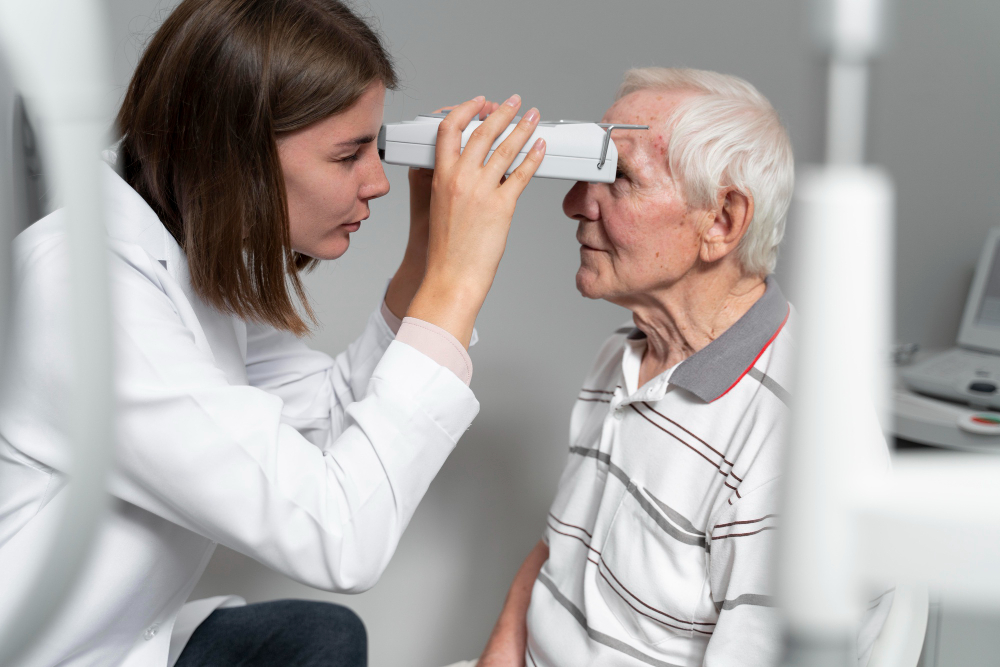
Early diagnosis of diabetic retinopathy is key to protecting your vision. Eye doctors use special tests to check for signs of damage. For instance, a dilated eye exam lets the doctor see the back of your eye. During this exam, the doctor may use drops to widen your pupils. This makes it easier to spot changes in the retina.
Other tests may include:Optical coherence tomography (OCT) to see detailed images of the retinaFluorescein angiography to check for leaking blood vessels
Most experts, including the American Diabetes Association, recommend yearly eye exams for people with diabetes. Regular screening helps catch problems early, even before symptoms appear.
Treatment Options
There are several ways to treat diabetic retinopathy. The best treatment depends on how severe the disease is. In mild cases, controlling blood sugar, blood pressure, and cholesterol may be enough. However, if the disease is more advanced, your doctor may suggest:Laser treatment to seal leaking blood vesselsInjections of medicine into the eye to reduce swellingVitrectomy, a surgery to remove blood or scar tissue from the eye
With prompt treatment, many people can keep their vision. Still, ongoing care is needed to prevent further damage.
Prevention Tips and Lifestyle Guidance
While diabetic retinopathy cannot always be prevented, you can lower your risk by taking good care of your health. Here are some helpful tips:Keep your blood sugar levels in your target rangeMonitor and control your blood pressureManage your cholesterolEat a healthy, balanced dietExercise regularlyAvoid smokingGet regular eye exams, even if your vision seems fine
By following these steps, you can help prevent diabetic eye disease and protect your sight.
When to See an Eye Specialist
If you have diabetes, it’s essential to see an eye specialist at least once a year. However, if you notice any changes in your vision—such as sudden vision loss, blurred vision, or floaters—do not wait. Seek help immediately, as early treatment can significantly improve outcomes.
In summary, diabetic retinopathy is a serious but manageable condition. Regular checkups and healthy habits are crucial to maintaining eye health.
Consult an eye specialist at Sree Krishna Healthcare for personalized advice and regular screenings.
Take charge of your vision—schedule your appointment today.