
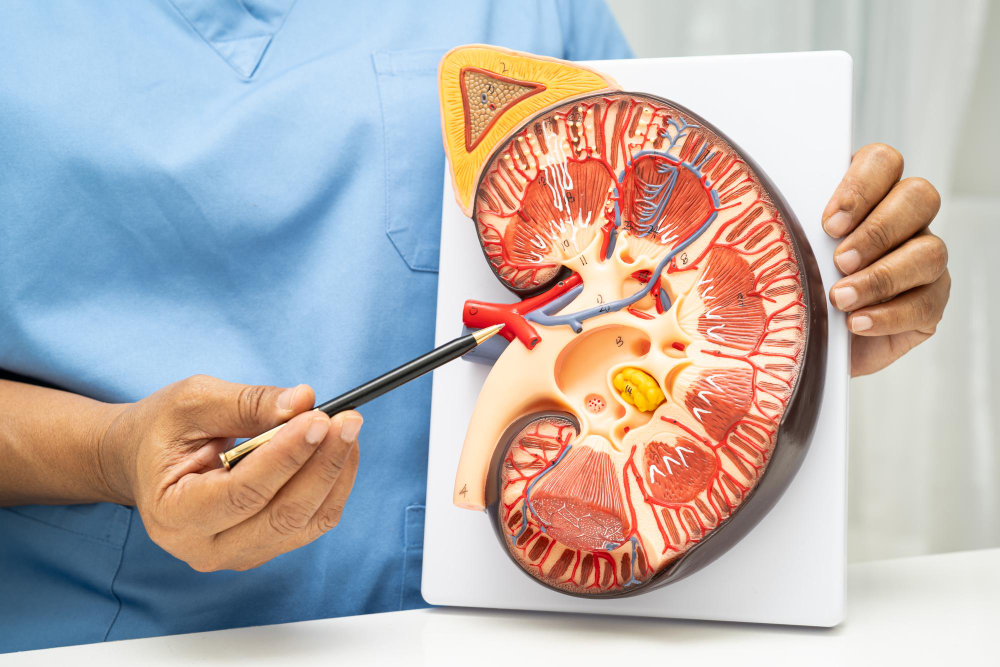
What is DCT?
DCT stands for Distal Convoluted Tubule. It is a part of your kidney. The DCT helps your body balance water, salt, and minerals. When there is a problem with the DCT, it can affect how your kidneys work. Because of this, you may notice changes in your health. Understanding DCT is important for kidney health. Many people want to know what DCT means and how it impacts the body.
Common Symptoms of DCT Problems
When the DCT does not work well, you may notice some symptoms. However, these signs can be mild or severe. For example, you might feel tired or weak. Sometimes, you may have swelling in your legs or hands. Other common symptoms include:
If you notice these symptoms, you should talk to a doctor. Early care can help prevent more serious problems.
Causes and Risk Factors
There are several reasons why DCT problems may develop. Sometimes, they are caused by genetic conditions. Other times, certain medicines or diseases can harm the DCT. For instance, diabetes and high blood pressure are common risk factors. In addition, dehydration and infections may also play a role. Here are some common causes:
Knowing your risk factors can help you take steps to protect your kidneys.
How DCT is Diagnosed
Doctors use several tests to check for DCT problems. First, they may ask about your symptoms and medical history. Next, they often order blood and urine tests. These tests look for changes in minerals and waste products. Sometimes, doctors use imaging tests like ultrasound to see the kidneys. In rare cases, a kidney biopsy may be needed. Early diagnosis can help you get the right treatment.
Treatment Options for DCT
Treatment for DCT problems depends on the cause. Often, doctors suggest medicines to balance minerals and control blood pressure. In some cases, you may need to change your diet. For example, you might need to eat less salt. If an infection is present, antibiotics may help. In severe cases, hospital care may be needed. Your doctor will choose the best treatment for your needs.
Lifestyle Tips and Self-Care for DCT
There are many ways to support your kidney health at home. For instance, drinking enough water can help your kidneys work better. You should also eat a balanced diet with less salt and processed foods. In addition, regular exercise can help control blood pressure. Here are some helpful tips:
These steps can make a big difference in your kidney health.
Prevention Strategies for DCT
Preventing DCT problems is possible with healthy habits. First, manage any chronic diseases like diabetes or high blood pressure. Next, avoid medicines that can harm your kidneys unless your doctor says they are safe. Also, get regular check-ups to catch problems early. Here are some prevention tips:
With these steps, you can lower your risk of DCT issues.
Frequently Asked Questions About DCT
In summary, DCT is an important part of your kidney. Because it helps balance fluids and minerals, keeping it healthy is key. If you have symptoms or risk factors, do not wait. Consult a healthcare professional Shilajit Kar for personalized advice about DCT.