
What is Phacoemulsification Surgery?
Phacoemulsification cataract surgery is a modern way to remove cataracts. Cataracts cause the eye’s lens to become cloudy, making it hard to see. With this advanced technique, doctors use ultrasound waves to break up the cloudy lens. Then, they remove the pieces and place a clear artificial lens in your eye. Many people in cities like New York and Los Angeles choose this method because it is quick and safe. According to the World Health Organization, cataracts are the leading cause of blindness worldwide.
Symptoms and Causes of Cataracts
Cataracts often develop slowly. However, they can affect your daily life. Common symptoms include:
As you age, your risk for cataracts increases. Other causes include:
For example, people who spend a lot of time outdoors without sunglasses may develop cataracts sooner.
How Phacoemulsification Works
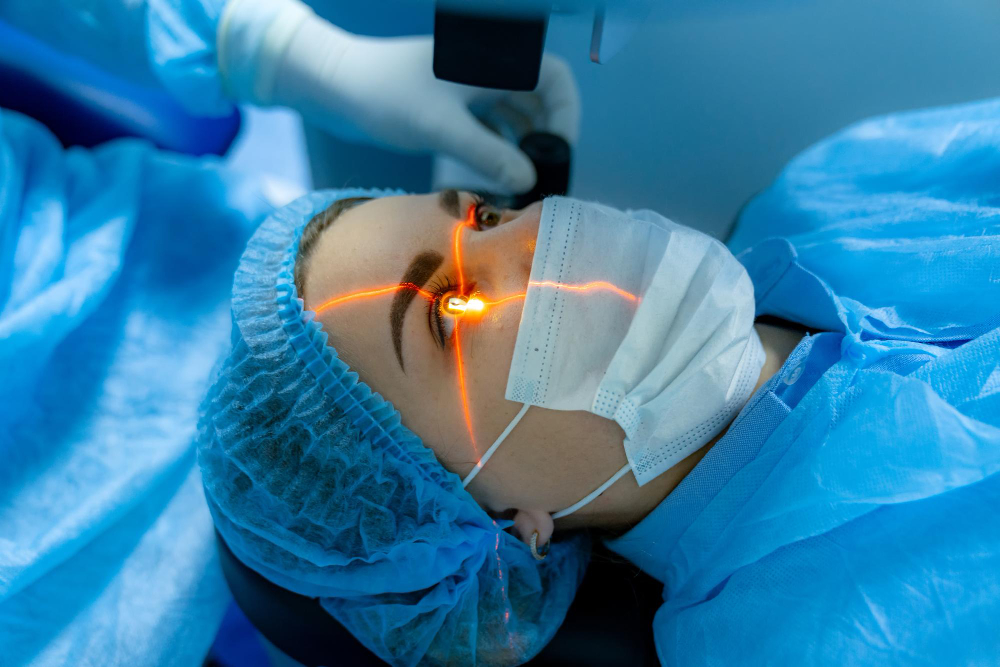
During phacoemulsification, the doctor makes a tiny cut in your eye. Next, a small device sends out ultrasound waves. These waves break the cloudy lens into small pieces. After that, the doctor gently removes the pieces using suction. Finally, a new clear lens is placed in your eye. Most surgeries take less than 30 minutes. Because the cut is so small, stitches are rarely needed. As a result, healing is usually fast.
Benefits of Phacoemulsification Surgery
Phacoemulsification offers many benefits compared to older cataract removal methods. For instance, you may notice:
Because of these benefits, phacoemulsification is now the most common cataract surgery worldwide. The American Academy of Ophthalmology states that most people regain good vision quickly.
Risks and Potential Complications
Although phacoemulsification cataract surgery is safe, all surgeries have risks. Some possible problems include:
However, most people do not have serious problems. If you notice pain, redness, or sudden vision loss, contact your doctor right away. Early treatment can help prevent lasting damage.
Recovery and Aftercare
After surgery, you can usually go home the same day. Still, you should follow your doctor’s instructions closely. For example, you may need to:
Most people see better within a few days. However, full recovery may take a few weeks. If you live in a busy city, try to avoid crowded places for a short time to lower infection risk.
Tips for Preventing Cataracts
While aging is the main cause, you can lower your risk of cataracts. Try these tips:
By making these changes, you can help protect your vision and delay the need for cataract surgery. Consult Dr. Shilajit Kar for expert eye care.