
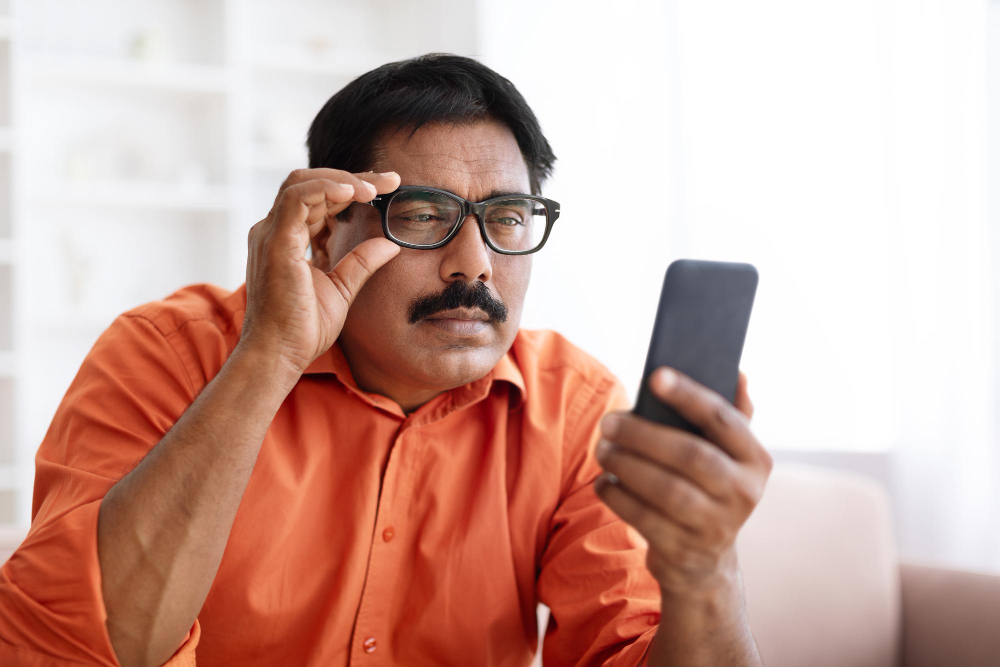
Introduction: Smartphone vs Cataract Surgery
Many people wonder about the link between smartphone use and cataract surgery. The topic of “smartphone vs cataract surgery” often raises questions. Some worry that using a smartphone can harm their eyes or affect cataract surgery results. In this blog, we will clear up common myths and share facts. We will also give tips for healthy smartphone use before and after cataract surgery. Our goal is to help you care for your eyes and make smart choices.
What Is Cataract Surgery?
Cataract surgery is a common eye procedure. Doctors remove the cloudy lens from your eye and replace it with a clear, artificial one. This surgery helps people see better when cataracts make vision blurry. Cataracts are a natural part of aging. They can make daily tasks, like reading or driving, hard. The surgery is safe and quick. Most people recover well and enjoy clearer vision soon after.
How Does Smartphone Use Affect Eye Health?
Smartphones are part of daily life. However, looking at screens for long periods can strain your eyes. This is called digital eye strain or computer vision syndrome. Symptoms may include:
Even so, these problems are usually temporary. Taking breaks and blinking often can help. Importantly, there is no strong proof that smartphone use causes permanent eye damage or cataracts. Still, healthy habits are important for everyone, especially seniors.
Common Myths About Smartphones and Cataract Surgery
There are many myths about smartphones and cataract surgery. Let’s look at some of the most common:
However, these myths are not supported by scientific evidence. Let’s explore the facts.
Scientific Facts: Is There a Link Between Smartphone Use and Cataract Development or Surgery Outcomes?
According to the World Health Organization and leading eye doctors, there is no direct link between smartphone use and cataract development. Cataracts form as we age or due to other factors like diabetes, smoking, or UV light exposure. Blue light from screens is much weaker than sunlight. So, it does not cause cataracts or speed up their growth. After cataract surgery, using a smartphone does not harm your new lens or slow healing. Still, it is wise to avoid eye strain by taking breaks and following your doctor’s advice.
Tips for Healthy Smartphone Use Before and After Cataract Surgery
Good habits can protect your eyes and make recovery easier. Here are some safe smartphone habits for seniors and others:
These tips help prevent eye strain and support healing after surgery.
Prevention and Lifestyle Guidance for Eye Health
Besides safe smartphone use, healthy habits can protect your eyes. Consider these steps:
With these habits, you can lower your risk of cataracts and keep your eyes healthy.
Conclusion: Take Care of Your Eyes
In summary, there is no strong link between smartphone use and cataract surgery risks. Myths about “does smartphone use cause cataracts” are not true. Still, healthy habits matter. If you have questions about eye care after cataract surgery or safe smartphone habits for seniors, talk to a doctor. Consult an eye specialist Dr. Shilajit Kar (Sree Krishna Healthcare) for advice tailored to your needs.